Complete Guide to Understanding Anemia Blood Test Results
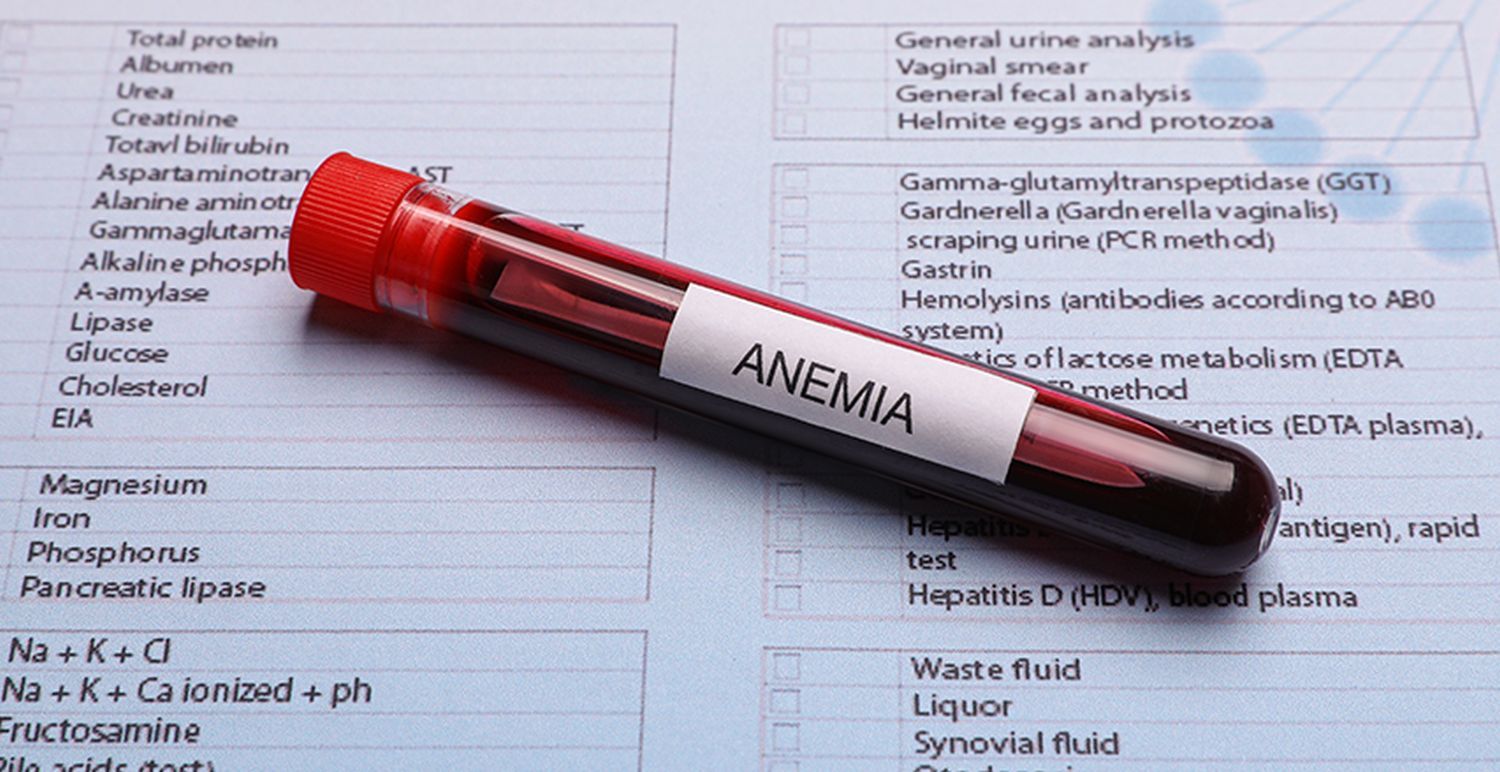
Complete Guide to Understanding Anemia Blood Test Results
Anemia occurs when your body lacks enough healthy red blood cells or hemoglobin to carry oxygen to tissues. The blood test results for anemia, particularly iron deficiency markers, inform diagnosis and treatment. Blood tests identify the type of anemia and track treatment progress.
Most forms of anemia respond well to targeted treatments based on their underlying cause.
If you recently got your results back and want a personalized explanation regarding what they mean, LabAnalyzer can offer a specific breakdown.
This guide lists the tests used, explains how to read the results, and outlines treatment options based on lab findings.
Types of Anemia Tests
Anemia diagnosis needs specific blood tests to find its type and cause. These tests check red blood cell health, hemoglobin levels, and nutrient markers. Blood tests form a complete picture of red blood cell production, iron status, and other factors that affect oxygen delivery to body tissues.
Common Tests for Anemia:
Shows red and white blood cells, hemoglobin, hematocrit, and platelets.
Identifies anemia and its severity.
Tracks changes in blood cell counts over time.
Numbers help determine if treatment works.
Iron Studies:
Include serum iron, ferritin, and total iron-binding capacity (TIBC) to check iron levels and storage.
Show if iron stores meet body needs.
Track iron levels during supplementation.
Help determine optimal iron doses.
Vitamin and Mineral Levels:
Shows B12 and folate, which red blood cells need for production.
Identifies nutritional causes of anemia.
Guides vitamin supplementation plans.
Peripheral Blood Smear:
Checks the shape and size of red blood cells to find issues like sickle cell anemia.
Shows cell changes from various types of anemia.
Helps identify inherited blood disorders.
Reticulocyte Count:
Shows if the bone marrow makes enough new red blood cells.
Indicates bone marrow response to anemia.
Helps determine if treatments increase red blood cell production.
Hemoglobin Levels Explained
Hemoglobin, a protein in red blood cells, carries oxygen through the body. Low hemoglobin marks anemia. Regular hemoglobin testing tracks anemia progression and treatment response. Blood oxygen levels link directly to hemoglobin concentration in red blood cells.
[H3] Normal Hemoglobin Ranges:
Men: 13.8–17.2 grams per deciliter (g/dL).
Women: 12.1–15.1 g/dL.
Children: 11–13 g/dL.
Pregnant women: Levels drop by 0.5 g/dL in second trimester.
Athletes: Often test at higher ranges due to training.
Elderly adults: Ranges stay similar but need closer monitoring.
Low Hemoglobin Levels:
Hemoglobin below normal ranges shows anemia, with these causes:
Iron Deficiency: The main cause of anemia, from limited iron intake or blood loss.
Blood loss requires immediate evaluation.
Iron supplements often raise levels within 2-3 weeks.
Chronic Diseases: Kidney disease or autoimmune disorders reduce red blood cell production.
Regular monitoring helps track disease progression.
Treatment focuses on underlying conditions.
Blood Loss: Monthly periods, digestive tract bleeding, or surgery lead to anemia.
Blood counts help determine blood loss volume.
Replacement needs vary by severity.
Signs of Low Hemoglobin:
Tiredness and weakness.
Hard time breathing.
Light skin color.
Headaches and dizziness.
Cold hands and feet.
Fast heartbeat.
Very low hemoglobin (<8 g/dL) needs quick medical care, such as blood transfusions. Hospitals monitor these patients closely.
Mean Corpuscular Volume (MCV) Results
MCV measures red blood cell size, which helps sort anemia into types. This measurement guides treatment choices and helps predict response to specific therapies. Medical professionals use MCV as a key diagnostic tool for anemia classification.
Normal MCV Range:
80–100 femtoliters (fL).
Values change with age and medical conditions.
Regular testing tracks changes over time.
Laboratory methods standardize measurements.
Types of Anemia Based on MCV:
Microcytic Anemia (MCV < 80 fL):
Shows smaller red blood cells than normal.
Main Causes:
Iron Deficiency Anemia: Most common worldwide.
Thalassemia: A genetic blood condition.
Lead poisoning: Toxic exposure affects cell size.
Chronic inflammatory conditions.
Normocytic Anemia (MCV 80–100 fL):
Red blood cells show normal size but low numbers.
Main Causes:
Chronic disease anemia.
Quick blood loss.
Bone marrow suppression.
Multiple myeloma.
Kidney disease affects cell production.
Macrocytic Anemia (MCV > 100 fL):
Shows larger red blood cells than normal.
Main Causes:
Low vitamin B12 or folate.
Liver issues.
Medications affect cell size.
Bone marrow disorders.
Hypothyroidism.
Ferritin and Iron Binding Tests
Iron studies show your body's iron levels and storage details. These tests track iron status during treatment and guide supplement dosing. Iron test panels include multiple measurements to create a complete picture of iron metabolism.
Ferritin Levels:
Ferritin stores iron in your body, showing iron reserves. Test results reflect recent changes in iron status.
Normal Ferritin Ranges:
Men: 24–336 nanograms per milliliter (ng/mL).
Women: 11–307 ng/mL.
Ranges vary by lab and testing method.
Age affects normal values.
Low Ferritin:
Shows low iron stores, often from iron deficiency anemia.
Signs include tiredness, weak nails, and hair loss.
Levels under 30 ng/mL need treatment.
Monthly testing tracks improvement.
High Ferritin:
Points to swelling, liver issues, or too much iron (hemochromatosis).
Requires additional testing for diagnosis.
Links to other medical conditions.
Regular monitoring guides treatment.
Total Iron-Binding Capacity (TIBC):
TIBC shows how well blood binds and moves iron. Values change with iron status.
High TIBC:
Points to iron deficiency, as the body tries to bind more iron.
Values over 400 μg/dL suggest iron deficiency.
Treatment lowers levels gradually.
Low TIBC:
Points to ongoing diseases or too much iron.
Values under 250 μg/dL need evaluation.
Links to liver problems or inflammation.
B12 and Folate Level Analysis
B12 and folate help make red blood cells and DNA. Low levels cause macrocytic anemia. These vitamins work together in red blood cell production. Regular testing ensures proper replacement therapy.
Normal Ranges:
Vitamin B12: 200–900 picograms per milliliter (pg/mL).
Folate: 2–20 nanograms per milliliter (ng/mL).
Post-supplement ranges need monitoring.
Blood levels reflect recent intake.
Low B12 Levels:
Low B12 creates megaloblastic anemia, with large, young red blood cells. Early detection prevents nerve damage.
Causes of Low B12:
Limited food sources (plant-based diets).
Poor absorption from pernicious anemia or digestive issues like Crohn's disease.
Gastric surgery changes absorption.
Some medications block uptake.
Signs:
Tiredness and weakness.
Tingling hands and feet.
Problems with memory or thinking.
Balance problems.
Mood changes.
Tongue inflammation.
Low Folate Levels:
Low folate leads to macrocytic anemia from:
Limited food intake or heavy alcohol use.
Pregnancy needs more folate.
Some medicines (methotrexate or seizure drugs).
Malabsorption disorders.
Liver disease.
Testing Schedule:
Initial diagnosis: Complete vitamin panel
Treatment monitoring: Every 8-12 weeks
Maintenance: Yearly checks
Treatment Options Based on Results
Anemia treatment matches its cause, shown by blood tests. Treatment plans include regular monitoring and dose adjustments. Success rates vary by anemia type and underlying conditions.
1. Iron Deficiency Anemia:
Iron Pills: Most use ferrous sulfate by mouth.
Starting dose: 325mg three times daily
Typical duration: 3-6 months
Take on empty stomach
Monitor side effects
Food Changes:
Eat iron-rich foods like meats, spinach, beans, and cereals with added iron
Combine with vitamin C foods
Avoid coffee and tea with meals
Track dietary intake
Iron through IV:
For serious cases or people who cannot take pills
Single or multiple treatments
Faster improvement than oral iron
Requires medical supervision
2. B12 Deficiency:
B12 Shots:
Weekly injections for 4-8 weeks
Monthly maintenance doses
Track blood levels
Adjust frequency based on response
Pills:
Daily high-dose supplements
Sublingual options available
Regular absorption testing
Dietary monitoring
3. Folate Deficiency:
Folic Acid Pills:
Daily supplementation
Track blood levels monthly
Adjust doses as needed
Prevention during pregnancy
Food Sources:
Green vegetables
Citrus fruits
Fortified grains
Beans and lentils
4. Chronic Disease Anemia:
Fix Main Health Issue:
Control kidney disease
Manage autoimmune disorders
Regular blood testing
Coordinate with specialists
Blood Cell Stimulation:
EPO therapy when needed
Monitor response
Adjust doses
5. Serious Anemia:
Blood Transfusions:
Emergency treatment
Type and cross-match
Monitor vital signs
Post-transfusion testing
Bone Marrow Evaluation:
Biopsy procedure
Cell analysis
Genetic testing
Treatment planning
Key Takeaway
Blood test results for anemia check hemoglobin, MCV, ferritin, and vitamin levels to find the type and cause. Testing guides treatment selection and monitors progress. Regular blood tests track improvement and help prevent complications. Medical teams adjust treatments based on test results and symptoms. Quick testing and treatment restore energy and prevent health problems from anemia. Follow-up care ensures long-term success in managing anemia.